Why Palestina Font Brings Playful Charm to Your Projects
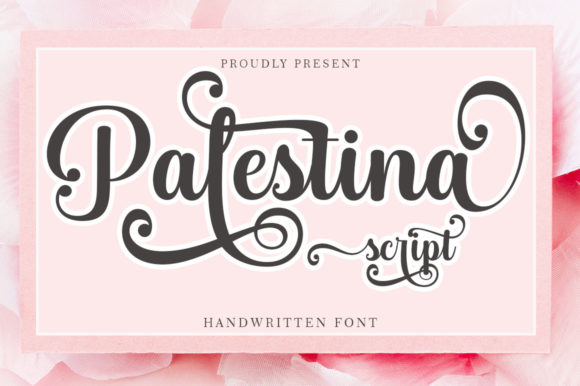
Imagine a typeface that doesn't just sit on the page but seems to move with you. That is exactly what Palestina offers. This lovely script font features charming, playful characters that seem to dance along the baseline, creating an immediate sense of joy and movement in any design. Whether you are drafting a quick social media graphic or designing a full brand identity, adding this font to your most creative ideas allows them to stand out in a crowded digital landscape.
The magic of Palestina lies not only in its aesthetic appeal but also in its technical accessibility. It is PUA encoded, which means you can access all of the glyphs and swashes with ease without needing complex software plugins or specialized tools. This feature transforms it from a mere decorative element into a versatile tool for anyone looking to inject personality into their work.
Understanding What Palestina Actually Is
At its core, Palestina is a display script designed to capture attention through whimsy and fluidity. Unlike standard serif or sans-serif fonts that prioritize strict readability for long-form text, Palestina is built for impact. The characters have varying stroke widths and playful terminals that give the impression of handwriting done with a brush or a calligraphy pen.
When you use this font, you aren't just selecting a typeface; you are choosing a mood. The "dancing" nature of the letters creates a rhythm that guides the reader's eye across headlines, logos, and short phrases. Because it is PUA encoded, designers gain access to a rich library of alternate characters, including ornate swashes and ligatures that connect letters seamlessly. This ensures that even when used at large sizes, the font maintains a high level of detail and sophistication.
How Beginners Can Leverage Palestina Easily
For those new to graphic design or typography, choosing the right font can often feel like navigating a maze of options. Beginners might worry about compatibility, installation, or whether they can actually control the look of the text. Palestina removes much of this friction. Since it is PUA encoded, users do not need to hunt for specific plug-ins to access the fun parts of the font. You simply install it, and the unique glyphs become available in your standard font menu.
This ease of use is crucial for hobbyists who want to create professional-looking materials without spending hours learning complex software features. A beginner blogger can easily write a catchy title using Palestina, knowing that the font will handle the spacing and character selection automatically. The playful nature of the script also helps beginners overcome the fear of making designs look too rigid or corporate. It encourages experimentation and allows novices to produce results that look polished and intentional, boosting their confidence in their creative abilities.
The Professional Edge for Creators and Marketers
Experienced creators and marketers understand that typography is a powerful psychological trigger. When a brand needs to communicate warmth, approachability, or creativity, standard fonts often fall flat. Professionals know that Palestina can bridge the gap between a sterile message and an emotional connection. For a marketer launching a new product aimed at a younger demographic, using this font signals that the brand is fun, modern, and human.
For professionals, the PUA encoding is a significant workflow advantage. In high-pressure environments, speed and reliability are paramount. Being able to quickly swap in a swash or an alternate character without breaking the layout saves valuable time. This flexibility allows designers to iterate faster, testing different variations of a headline to see which one resonates best with their audience. The font's ability to make creative ideas stand out is not accidental; it is the result of deliberate design choices that prioritize visual hierarchy and engagement.
Educational Applications for Teachers and Writers
Teachers and educators often struggle to keep students engaged with dry text. Using Palestina in lesson plans, worksheets, or presentation slides can transform a boring lecture into an exciting activity. The playful characters naturally draw the eye, making educational materials feel less like a chore and more like an adventure. For example, a teacher creating a vocabulary card set could use Palestina for the main words, making them easier to memorize due to their distinct shapes.
Writers and publishers also find value here. When writing children's books or crafting marketing copy for family-oriented products, the tone must be gentle and inviting. Palestina provides that tone instantly. It adds a layer of narrative voice to the text itself, suggesting a story is being told rather than information being delivered. This subtle shift can significantly increase the time readers spend engaging with the content.
Balancing Cost, Quality, and Long-Term Usefulness
When evaluating a font like Palestina, small business owners and freelancers must consider the balance between cost and quality. While many free fonts exist, they often lack the polish and extensive character sets found in premium or well-coded scripts. The fact that Palestina is fully PUA encoded suggests a high level of development effort, ensuring that the font is robust enough for commercial projects.
For entrepreneurs, the decision often comes down to versatility. Can this font be used for a logo, a website header, and a printed flyer? Palestina excels in this area because its playful style is adaptable. However, it is important to recognize that no single font fits every scenario. Professionals should evaluate their specific project goals: if the goal is to convey serious financial data, Palestina would be inappropriate. But if the goal is to highlight a special offer or a creative workshop, it becomes an essential asset.
Long-term usefulness is another factor. Fonts that are trendy today might look dated tomorrow. However, classic script styles tend to endure because they mimic the timeless art of handwriting. By incorporating Palestina into your design system, you are investing in a style that feels personal and authentic, qualities that never go out of fashion. This makes it a smart investment for building a consistent brand identity over years.
Identifying the Right Fit for Your Goals
Not every project requires a dancing script. Consumers and casual users should ask themselves what emotion they want to evoke. If the project demands clarity above all else, such as legal documents or instructional manuals, a neutral font is better. However, if you are looking to add flair to a wedding invitation, a bakery menu, or a creative portfolio, Palestina is likely the perfect match.
The key to success lies in matching the tool to the task. For the hobbyist, it is a source of endless fun and exploration. For the professional, it is a strategic asset for differentiation. For the educator, it is a method to inspire curiosity. Regardless of who you are, understanding the unique characteristics of Palestina—its playful baseline, its accessible PUA encoding, and its charming aesthetic—allows you to use it effectively.
By integrating this font thoughtfully, you ensure that your creative ideas do not just appear on the screen or page; they resonate with your audience. Whether you are a seasoned designer refining a final touch or a beginner taking your first step into visual storytelling, Palestina offers the flexibility and charm needed to bring your vision to life.