Hello Banthen Font Evaluation
In the landscape of digital typography, selecting the right typeface is often a balancing act between aesthetic appeal and technical functionality. For designers seeking a script that bridges the gap between delicate elegance and modern fashion, Hello Banthen has emerged as a notable option. This font is characterized by its fluid strokes and sophisticated character set, making it a frequent subject of inquiry for branding professionals and creative product developers.
This evaluation explores the specific attributes of Hello Banthen, analyzing its utility in various design contexts. By examining its encoding structure, visual style, and practical application limits, readers can determine if this tool aligns with their current project requirements or if alternative solutions might better serve their objectives.
Understanding the Visual Identity of Hello Banthen
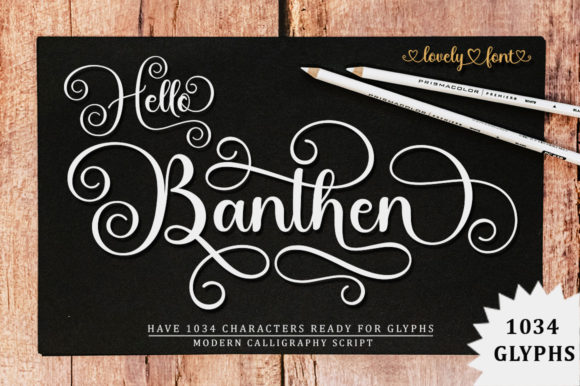
Hello Banthen is classified as a script typeface, but it diverges from traditional calligraphic styles by incorporating elements of contemporary fashion design. The letterforms are constructed to appear delicate yet distinct, offering a sense of movement without sacrificing legibility. The strokes vary in weight, creating a natural rhythm that mimics the flow of handwriting while maintaining the structural integrity required for commercial use.
The "fashionable" descriptor associated with this font refers to its ability to convey luxury and trendiness. Unlike rigid serif or sans-serif fonts, Hello Banthen introduces an organic quality that softens the visual impact of a design. It is particularly effective when the goal is to evoke emotion or create a personal connection with the viewer. However, this stylistic choice comes with inherent constraints regarding where and how the text can be displayed effectively.
Technical Specifications and Accessibility
A critical component of any font selection process involves understanding how the software will render the characters. Hello Banthen utilizes PUA (Private Use Area) encoding. In standard Unicode, certain special characters, ligatures, and swashes may not have dedicated code points. The Private Use Area allows font creators to assign these unique glyphs to unused slots within the standard ASCII range.
Benefits of PUA Encoding:
- Complete Glyph Access: Designers can access the full suite of swashes, alternates, and decorative elements that define the font's personality.
- Customization: Because these characters are mapped specifically to the font file, they ensure consistent rendering across different platforms that support the file format.
- Ease of Use: Once installed, accessing these features is straightforward, allowing for rapid prototyping and detailed design work.
Considerations for PUA Usage:
While PUA encoding offers extensive creative freedom, it requires specific workflows. Standard search engines and some basic text editors may not recognize PUA characters correctly, potentially displaying them as boxes or question marks if the font is not explicitly selected. Furthermore, copy-pasting text containing PUA characters into environments that do not support the font file can result in data loss. Designers must ensure that the final output format preserves the font data or converts the text to outlines (vectors) before distribution.
Ideal Applications for Hello Banthen
Given its specific aesthetic and technical profile, Hello Banthen excels in scenarios where visual impact takes precedence over high-volume readability. It is a strong candidate for projects requiring a touch of sophistication and artistic flair.
Branding and Logo Design
For startups or established brands looking to position themselves in the lifestyle, beauty, or fashion sectors, Hello Banthen offers a distinctive mark. Its script nature suggests a human element, which can help build trust and approachability. When used in a logo, the font's swashes can be manipulated to create unique wordmarks that stand out against more common geometric typefaces.
Apparel and Merchandise
T-shirt printing and creative product manufacturing often benefit from the high-contrast nature of script fonts. The delicate lines of Hello Banthen translate well onto fabric, provided the print resolution is sufficient. It adds a layer of exclusivity to merchandise, transforming a standard garment into a statement piece. The font works particularly well for limited edition runs where uniqueness is a key selling point.
Creative Product Packaging
In the realm of physical goods, packaging is the first point of contact with the consumer. Hello Banthen can elevate simple packaging designs, suggesting premium quality. Whether used for cosmetics, artisanal foods, or boutique gifts, the font helps communicate a narrative of care and attention to detail.
Limits and Potential Tradeoffs
No single typeface is suitable for every situation. While Hello Banthen is versatile within its niche, there are clear boundaries to its effectiveness. Understanding these limitations is essential for avoiding design pitfalls.
Legibility Constraints: Script fonts generally require more space to read than block letters. Using Hello Banthen for body copy, long paragraphs, or small-sized text on mobile devices is inadvisable. The intricate details of the swashes can blur at low resolutions, reducing readability significantly.
Contextual Appropriateness: The fashionable and delicate nature of the font may clash with industries requiring a tone of seriousness, such as law, finance, or heavy industry. In these contexts, the font could undermine the authority of the message. Additionally, the PUA encoding means that the text cannot be easily indexed or searched by users if presented as plain text on a website without proper fallback mechanisms.
Comparing Alternatives and Decision Making
When evaluating Hello Banthen, designers should compare it against other script options to ensure it meets the specific goals of the project. If the primary need is maximum legibility for large volumes of text, a highly readable sans-serif or a simpler script with fewer swashes might be a superior choice.
When to Choose Hello Banthen:
- The project is primarily visual, such as a poster, logo, or social media graphic.
- The target audience expects a trendy, elegant, or personalized aesthetic.
- The design workflow includes vectorizing text or embedding the font file securely.
- The user needs access to a wide variety of swashes to customize individual letters.
When to Consider Alternatives:
- The text needs to be selectable and searchable on the web.
- The content involves long-form reading or technical specifications.
- The brand identity requires a more neutral or corporate tone.
- The deployment environment lacks support for custom font files or PUA characters.
Conclusion
Hello Banthen represents a specialized tool in the designer's arsenal. Its blend of delicate styling and fashionable execution makes it ideal for branding, apparel, and creative products where visual distinction is paramount. The PUA encoding ensures that the full range of artistic features is accessible, though it necessitates careful handling during the production and distribution phases.
By weighing the aesthetic benefits against the technical constraints, designers can make informed decisions about whether Hello Banthen is the right fit. For projects demanding a balance of elegance and modern flair, this font offers a compelling solution. However, for applications prioritizing universal accessibility and high-volume readability, exploring alternative typefaces remains a prudent strategy.