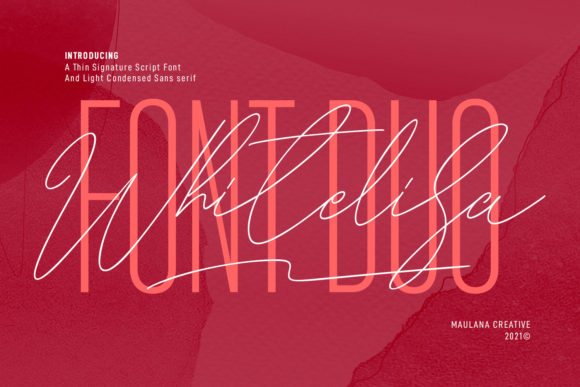
Whitelisa: A Strategic Choice for Modern Brand Identity
In the crowded landscape of digital and print media, the difference between a message that is ignored and one that resonates often comes down to subtle design decisions. Typography is not merely about legibility; it is a primary vehicle for brand personality and strategic positioning. For professionals seeking to balance approachability with distinctiveness, Whitelisa emerges as a compelling asset. This stunning and thin lettered duo font script and sans serif offers a unique duality that can elevate projects from generic to memorable.
Understanding the strategic value of a typeface requires looking beyond its aesthetic appeal. It demands an analysis of how the visual form influences user perception, communication efficiency, and long-term brand equity. Whitelisa is designed to give your projects a branded but friendly feel, a specific psychological outcome that is increasingly vital for entrepreneurs, educators, and content creators who need to build trust quickly. By mastering the combination of its two included styles, users can create a cohesive visual language that supports complex goals without sacrificing clarity.
The Dual Nature of Whitelisa in Visual Strategy
The core strength of Whitelisa lies in its composition as a duo. It pairs a delicate, thin lettered script with a clean sans serif structure. In strategic design terms, this pairing solves a common problem: the tension between elegance and readability. The script element introduces humanization, suggesting creativity, personal touch, and warmth. Conversely, the accompanying sans serif provides the structural backbone necessary for information hierarchy and professional credibility.
When these two styles are combined together perfectly, they create a dynamic contrast that guides the viewer's eye. The script draws attention to headlines or key emotional hooks, while the sans serif anchors body text and data-heavy sections. However, the true power of this tool is realized when designers understand that the two styles are also beautiful on their own. Relying exclusively on the script can risk overwhelming the audience with excessive ornamentation, while using only the sans serif might result in a sterile appearance that lacks character. The decision to use them separately or in tandem must be driven by the specific context of the project.
Aligning Typography with Business Goals
For small business owners and freelancers, every design choice impacts the bottom line. Using Whitelisa intentionally can support branding efforts by signaling that a business cares about details. A thin, refined aesthetic suggests precision and high-quality service. If you are positioning yourself as a premium consultant or a boutique creative agency, the "stunning" quality of the font reinforces the value proposition before a client even reads the copy.
However, strategy requires discipline. The goal is not just to look good, but to communicate effectively. When planning a rebrand or launching a new product, consider whether the friendly nature of Whitelisa aligns with your market position. If your target audience consists of corporate decision-makers in conservative industries, the script element might need to be used sparingly to maintain authority. Conversely, for lifestyle brands, educational platforms, or community-focused organizations, the friendly vibe is a direct asset that fosters engagement and loyalty.
Practical Applications Across Industries
The versatility of Whitelisa allows it to serve diverse sectors, provided the application is grounded in realistic use cases. Here is how different professionals can leverage this typeface to achieve better results.
- Entrepreneurs and Marketers: Use the script for taglines and call-to-action buttons to inject energy into campaigns. Pair it with the sans serif for pricing tables and feature lists to ensure the financial data remains clear and trustworthy.
- Educators and Bloggers: Content creators often struggle to make dense information engaging. Whitelisa can break up walls of text. Using the script for pull quotes or section headers adds a layer of personality that encourages readers to stay longer, improving time-on-page metrics.
- Publishers and Designers: For editorial projects, the thin lettering style offers a modern, sophisticated look that stands out against standard serif fonts. It is ideal for magazine covers or book titles where visual impact is paramount.
- Hobbyists and Creatives: For those building personal portfolios or selling handmade goods, the font adds a curated, artisanal feel that connects emotionally with customers.
In each scenario, the decision-making process should focus on the intended outcome. Are you trying to inform, persuade, or inspire? The typography should reinforce that intent. If the goal is rapid information absorption, prioritize the sans serif. If the goal is emotional connection, let the script take the lead.
Planning for Long-Term Consistency
Sustainable branding relies on consistency. One of the risks of adopting a distinctive font like Whitelisa is inconsistency in its application. Without a clear plan, teams may overuse the script, leading to visual fatigue, or underuse it, rendering the investment in the asset moot. To avoid this, establish a typographic system early in the project lifecycle.
Define specific rules for usage. For instance, decide that the script will never exceed 10% of the total word count in a document, or restrict it to headings above a certain size. This prevents the "decorative trap," where the font becomes a distraction rather than a facilitator of communication. Good planning ensures that the brand remains recognizable across various mediums, from mobile screens to large-format print materials.
Furthermore, consider the scalability of the font. Thin lettered scripts can sometimes lose definition at smaller sizes or on low-resolution displays. Test Whitelisa rigorously across devices. If the script becomes illegible on a smartphone, it fails its strategic purpose. In such cases, rely on the sans serif for responsive layouts and reserve the script for high-fidelity contexts where the detail can be appreciated.
Risks of Uncritical Adoption
While Whitelisa is a powerful tool, relying on it without clear goals or context can undermine professional credibility. The most common pitfall is treating typography as a cosmetic afterthought rather than a strategic component. If the font is chosen simply because it looks trendy, the resulting design may lack substance. Trends fade, but functional communication endures.
Another risk is the dilution of brand voice. If a company uses a friendly, handwritten-style script for serious legal disclaimers or crisis communications, it creates a cognitive dissonance that confuses the audience. Trust is built through alignment; the visual tone must match the verbal message. Using Whitelisa randomly, without considering the emotional weight of the content, can make a brand appear inconsistent or unprofessional.
Additionally, there is the issue of accessibility. While the sans serif component is generally accessible, the script variant can pose challenges for individuals with dyslexia or visual impairments if used for body text. Ethical design practices require prioritizing inclusivity. Ensure that the primary reading experience is supported by the more neutral sans serif style, reserving the script for decorative or navigational elements where accessibility standards are less restrictive.
Maximizing Value Through Intentional Use
To get the most out of Whitelisa, adopt a mindset of intentionality. Before applying the font, ask critical questions: What is the hierarchy of information? Who is the reader? What emotion do we want to evoke? Answering these questions helps determine whether the script or the sans serif should dominate the layout.
Experimentation is key, but it must be guided by feedback. Create mockups that test different combinations. Show them to stakeholders and potential users. Do they find the design inviting? Is the message clear? The best typography works invisibly, guiding the user effortlessly toward the desired action. Whitelisa excels when it facilitates this flow rather than interrupting it.
Consider the broader ecosystem of your brand assets. Does Whitelisa pair well with your existing logo, color palette, and imagery? A font does not exist in a vacuum. Its effectiveness is amplified when it complements other visual elements. If your brand colors are bold and vibrant, the thin lines of Whitelisa provide a necessary counterbalance, creating a sense of lightness and airiness that prevents the design from feeling heavy.
Moving Toward Better Results
Ultimately, the decision to use Whitelisa is a strategic investment in your communication infrastructure. It is not just about selecting a font file; it is about choosing a way of speaking visually. By combining the two styles thoughtfully, you create a versatile toolkit that adapts to the nuances of your projects. Whether you are crafting a marketing campaign, designing an educational module, or refining a corporate identity, the ability to switch between the friendly script and the reliable sans serif gives you the control needed to navigate complex messaging landscapes.
Remember that the goal of any design decision is to achieve better results. When Whitelisa is used with purpose, it enhances readability, strengthens brand recognition, and fosters a deeper connection with your audience. Avoid the temptation to use it everywhere. Instead, apply it where it matters most. Let the beauty of the thin lettering guide the eye, and let the clarity of the sans serif ground the message. In doing so, you transform a simple typeface into a strategic asset that drives growth, learning, and long-term success.
As you move forward with your projects, keep the principles of clarity, consistency, and context in mind. Whitelisa offers a path to a branded but friendly feel, but it is your strategic vision that determines the final outcome. Use it wisely, and it will become an integral part of your professional legacy.