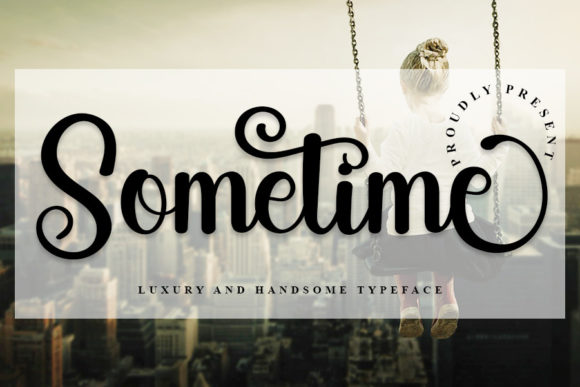
Sometime: A Strategic Asset for Refined Branding and Communication
In a digital landscape saturated with generic sans-serifs and aggressive display fonts, the decision to adopt Sometime is rarely accidental. It represents a deliberate choice toward refinement, signaling that the user values clarity, elegance, and a touch of modern sophistication. This script font is not merely a decorative element; it is a strategic tool designed to elevate visual communication for professionals who understand that typography influences perception before a single word is read.
For entrepreneurs, marketers, and creators aged 20 to 50, the selection of a typeface is an operational decision. It dictates the tone of your brand, the perceived value of your products, and the emotional resonance of your messaging. Sometime offers a unique position in this ecosystem. Its classy, elegant, and modern aesthetic bridges the gap between traditional handwritten charm and contemporary minimalism. When deployed correctly, it transforms standard stationery into a statement piece, turning a simple wedding invitation into a curated experience, or elevating a social media post from a notification to a moment of engagement.
The Strategic Value of Refined Typography
Typography functions as the voice of your visual identity. While color conveys emotion and imagery captures attention, type establishes credibility. Sometime excels because it avoids the pitfalls of being overly ornate or difficult to read. Instead, it strikes a balance that supports high-level branding goals. For small business owners and freelancers, establishing trust quickly is paramount. A logo set in Sometime suggests a business that pays attention to detail, implying that the service or product offered will be equally meticulous.
This font is particularly effective for positioning a brand in the premium or luxury sector without resorting to clichés. The fluidity of the script mimics human handwriting, which adds a layer of authenticity and personal connection often missing in corporate communications. However, its modern finish ensures it does not feel dated or nostalgic in a negative way. It feels current, making it suitable for tech-savvy educators, innovative publishers, and forward-thinking agencies looking to stand out in a crowded marketplace.
Applications Across Professional Sectors
The versatility of Sometime allows it to serve diverse strategic needs across various industries. Consider how different sectors can leverage its attributes:
- Branding and Logos: For boutique firms, lifestyle brands, or creative studios, a logo using Sometime communicates uniqueness. It sets the stage for a brand narrative focused on craftsmanship and individuality.
- Invitations and Stationery: In event planning and hospitality, the tactile feel of a design translates digitally through typography. Using Sometime for wedding designs or corporate event invitations creates an immediate sense of occasion and exclusivity.
- Social Media Content: In an era of scrolling fatigue, content that pauses the thumb must offer visual relief. Headers and pull quotes in Sometime break up text-heavy posts, adding a sophisticated rhythm that encourages deeper reading.
- Educational Materials: Educators and course creators can use this font to make learning materials feel more inviting and less rigid. It softens the delivery of complex information, making the learning process feel more personal.
Planning Your Visual Identity with Intention
Adopting Sometime requires a thoughtful approach to planning. It is not a one-size-fits-all solution. To achieve better results, you must align the font's characteristics with your specific objectives. Before integrating it into your workflow, consider the context of your message. Are you aiming for warmth? Luxury? Creativity? Sometime delivers these qualities, but only when paired with appropriate supporting elements.
Effective planning involves understanding the hierarchy of your design. Because Sometime is a script font, it naturally draws the eye. If used as the primary body text for long-form articles or dense reports, it may hinder readability and reduce comprehension. Instead, reserve it for headlines, key phrases, and signature elements. This strategic restraint ensures that the font remains impactful rather than overwhelming.
When designing a brand kit, pair Sometime with a clean, neutral sans-serif for body copy. This combination leverages the strengths of both: the personality of the script and the legibility of the geometric form. This pairing supports a cohesive visual language that guides the audience through your content seamlessly, enhancing the overall user experience.
Enhancing Customer Experience and Perception
In customer experience (CX) management, every touchpoint matters. The font used in your email signatures, receipts, invoices, and welcome packets contributes to the cumulative impression of your brand. Sometime has the power to turn routine interactions into memorable moments. Imagine receiving a personalized invoice or a thank-you note featuring this refined script. It signals respect for the recipient and elevates the perceived value of the transaction.
For decision-makers focused on retention and loyalty, this subtle shift in presentation can yield significant long-term results. Customers are more likely to engage with brands that appear polished and professional. By investing time in selecting a font like Sometime, you demonstrate a commitment to quality that extends beyond the core product or service. This attention to detail fosters a sense of reliability and care, which are essential components of building a loyal community.
Optimizing for Long-Term Results
Strategic design is about longevity. Trends come and go, but timeless elegance endures. Sometime possesses a classic quality that prevents it from feeling tied to a specific decade. This makes it a safe investment for businesses planning for the future. Unlike novelty fonts that may look outdated in six months, Sometime maintains its relevance, ensuring that your branding assets remain effective over years of use.
To maximize this long-term value, maintain consistency. Once you decide to incorporate Sometime into your visual identity, apply it consistently across all platforms. Whether it is your website header, your printed marketing collateral, or your social media graphics, consistency reinforces brand recognition. This disciplined approach helps audiences instantly identify your content, reducing cognitive load and strengthening your market position.
Navigating Risks and Common Pitfalls
While Sometime is a powerful tool, relying on it without clear goals can lead to diminishing returns. One of the primary risks is overuse. Because the font is visually rich, using it too frequently can clutter your design and dilute its impact. If every headline, subheading, and button utilizes Sometime, the result is noise rather than signal. The audience may struggle to distinguish important information from decorative elements.
Another consideration is legibility. Script fonts inherently require more effort to read than block letters. In contexts where speed and clarity are critical, such as safety instructions, technical documentation, or urgent notifications, Sometime should be avoided entirely. Misusing a beautiful font in a context demanding functional efficiency can confuse users and damage your credibility. Always prioritize the user's need for information over the designer's desire for aesthetics.
Furthermore, ensure that the font renders correctly across all devices and browsers. Some custom scripts may have compatibility issues that affect the user experience on mobile devices. Testing your designs thoroughly before deployment is a crucial step in mitigating these risks. A broken layout or unreadable text undermines the entire strategy, regardless of how elegant the font choice was.
Decision-Making Guidance for Practitioners
When faced with the choice of whether to use Sometime, ask yourself three critical questions. First, does this font align with my brand's core values? Second, will it enhance the readability and usability of my content? Third, does it differentiate me from competitors in a meaningful way?
If the answer to all three is yes, then Sometime is likely the right choice. However, if you find yourself choosing it simply because it looks "pretty," pause and reconsider. Design decisions should always be driven by strategy and outcomes. Use Sometime to solve a problem, such as adding warmth to a cold interface or creating a focal point in a minimalist layout. When the font serves a purpose, it becomes an asset. When it is used randomly, it becomes a distraction.
For creators and professionals seeking to refine their output, mastering the art of selective typography is a skill worth developing. Sometime offers a sophisticated palette for expression, allowing you to communicate complex ideas with grace and precision. By approaching this font with intentionality, you can transform ordinary projects into extraordinary experiences, driving better engagement and achieving superior results in your professional endeavors.
Ultimately, the success of any design lies in the harmony between form and function. Sometime provides the form; your strategic vision provides the function. Together, they create a compelling narrative that resonates with your audience and stands the test of time.