Photogenic
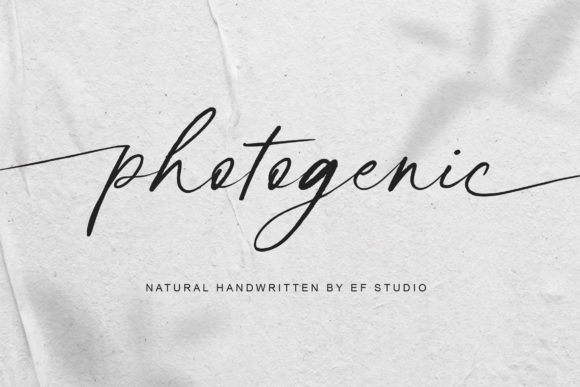
In the landscape of digital typography, finding a script that balances artistic flair with functional reliability is often a struggle. Photogenic emerges as a solution to this specific tension. It is a beautiful, well-balanced, and thin-styled script font defined by smooth curves that mimic the fluidity of hand-lettering without sacrificing structural integrity. While many decorative fonts fail when applied to professional contexts, Photogenic holds its ground in fashion branding and editorial designs where legibility must coexist with elegance.
The true value of this typeface lies not just in its aesthetic appeal, but in how it integrates into a creator's existing workflow. For professionals, marketers, and small business owners, the implementation of a new font requires more than just selecting a style; it demands an understanding of technical compatibility, glyph accessibility, and long-term consistency. This article explores how to leverage Photogenic effectively within practical business processes, from initial project planning to final asset delivery.
Understanding the Technical Foundation
Before integrating Photogenic into any creative project, it is essential to understand its encoding structure. The font is PUA encoded, which stands for Private Use Area. In standard Unicode, certain character slots are reserved for special symbols or non-standard characters. By utilizing the PUA, designers can access a vast library of glyphs, swashes, and alternate characters that would otherwise be inaccessible in standard text editors.
This technical feature significantly impacts the workflow during the design phase. Because all glyphs and swashes are accessible with ease, users do not need to rely on third-party plugins or complex manual substitution methods to achieve a dynamic look. Instead, the font behaves predictably within industry-standard software like Adobe InDesign, Illustrator, or Canva. This reduces friction in the production process, allowing creators to focus on layout and composition rather than troubleshooting character mapping issues.
For entrepreneurs and freelancers managing multiple clients, this ease of access translates to time savings. A streamlined workflow means less time spent fixing broken ligatures or searching for alternative swashes. The ability to quickly toggle between standard letters and decorative flourishes ensures that the final output remains consistent with the brand identity without introducing errors that could delay project delivery.
Strategic Application in Fashion and Editorial Workflows
The primary use case for Photogenic sits at the intersection of high-fashion branding and editorial design. Its thin style and smooth curves make it ideal for headlines, logos, and cover stories where visual impact is paramount. However, applying a script font correctly requires a strategic approach that respects the hierarchy of information.
When preparing a project, the first step is defining the role of the typography. Is Photogenic intended as the dominant voice of the brand, or should it serve as an accent to support body copy? In fashion branding, the font often acts as the primary identifier. Here, the thin strokes of Photogenic convey a sense of sophistication and modernity. When used in editorial designs, it guides the reader's eye through the narrative, creating a visual rhythm that complements the imagery.
To ensure quality control during this stage, consider the following factors:
- Contrast Management: Because Photogenic is a thin script, it requires sufficient contrast against the background. Ensure that the color palette chosen for the project allows the fine lines of the font to remain legible. Avoid using light gray text on white backgrounds, as this can cause the delicate curves to disappear.
- Kerning and Spacing: Script fonts naturally have variable spacing between characters. Before finalizing a design, manually adjust the kerning to prevent letters from overlapping awkwardly or appearing too distant. This attention to detail is crucial for maintaining a polished, professional appearance.
- Ligature Selection: Utilize the available swashes to create seamless connections between letters. These ligatures enhance the flow of the text, making it feel more organic and hand-crafted. Select them intentionally to match the tone of the message—using more elaborate swashes for luxury branding and simpler ones for minimalist approaches.
Integration with Other Design Assets
Photogenic does not exist in a vacuum; it interacts with other elements such as photography, illustrations, and layout grids. In a typical editorial workflow, the designer must balance the organic nature of the script with the structured grid of the page. The smooth curves of Photogenic pair exceptionally well with high-resolution fashion photography, as the softness of the letters mirrors the contours of the human form often featured in these images.
For marketers creating social media assets, the font offers a versatile tool for creating shareable content. A single image featuring a headline in Photogenic can elevate a standard product shot into a lifestyle statement. When designing these assets, ensure that the font size is large enough to be readable on mobile devices, where thin scripts can sometimes become difficult to decipher on smaller screens.
Implementation Strategies for Business and Personal Projects
Beyond pure aesthetics, the adoption of Photogenic can influence the efficiency of a creative team. Whether you are a publisher releasing a new magazine issue or a small business owner launching a rebrand, having a reliable script font simplifies the decision-making process. The PUA encoding ensures that the font remains robust across different operating systems and software versions, reducing the risk of file corruption or missing glyphs when sharing projects with collaborators.
To integrate Photogenic smoothly into your routine, consider establishing a standardized usage guide. Document the specific weights, sizes, and color combinations that work best for your brand. This preparation phase prevents inconsistencies that can arise when multiple people work on the same project. For example, define whether the font should always be paired with a sans-serif body text or if it can stand alone in certain contexts.
- Asset Organization: Create a dedicated folder structure for your typography assets. Store the Photogenic font files alongside their documentation and sample sheets. This organization makes it easier to locate the correct version of the font when starting a new task.
- Template Creation: Develop templates for common deliverables, such as Instagram posts, email newsletters, or presentation decks. Pre-configure the text layers with Photogenic so that team members can simply swap out the copy without worrying about formatting errors.
- Quality Assurance: Implement a review step specifically for typographic details. Check for any unintended gaps in letter spacing or incorrect swash placements before exporting final files. This step ensures that the final product meets the high standards expected in fashion and editorial industries.
Long-Term Viability and Adaptability
Investing in a font like Photogenic is a long-term decision. As trends shift, the demand for versatile, high-quality typefaces remains constant. The thin-styled nature of this font allows it to adapt to various design eras, from vintage-inspired campaigns to futuristic layouts. Its smooth curves provide a timeless quality that avoids the dated look often associated with overly trendy scripts.
For educators and bloggers, Photogenic offers a way to distinguish content visually. Using the font for pull quotes or section headers can break up dense text and engage readers who might otherwise skip over long articles. The readability of the PUA-encoded glyphs ensures that even the most decorative elements remain clear, supporting the educational mission of the content.
Ultimately, the success of integrating Photogenic into a workflow depends on thoughtful planning and execution. It is not merely about selecting a pretty font; it is about understanding how the tool fits into the broader ecosystem of your work. By focusing on preparation, compatibility, and consistency, professionals can harness the full potential of this typeface to create compelling, high-quality designs that resonate with their audience.
Whether you are crafting a luxury fashion campaign or organizing a personal creative project, Photogenic provides the structural support and artistic freedom needed to bring ideas to life. Its ability to bridge the gap between technical precision and creative expression makes it an invaluable asset for anyone looking to elevate their visual communication.