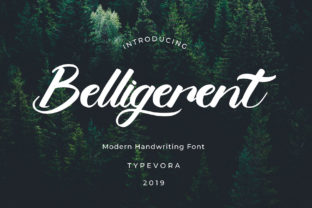
Belligerent: A Bold Script for Strategic Differentiation
In a digital landscape saturated with safe, generic, and indistinguishable content, the most effective strategy often involves a calculated departure from the norm. Belligerent is not merely a font; it is a bold and beautiful script that will add a unique flavor to your next creative idea by demanding attention through its distinct character. For entrepreneurs, marketers, and decision-makers who understand that visual identity is a critical component of strategic positioning, this typeface offers more than aesthetic appeal—it provides a tool for clear communication and memorable branding.
The modern professional environment requires clarity amidst noise. When you are crafting a brand narrative, planning a product launch, or designing a user experience, every element must serve a specific purpose. Belligerent serves this purpose by acting as a visual anchor. Its aggressive yet elegant strokes cut through the monotony of standard sans-serifs and serif fonts, signaling confidence and authority. However, using such a powerful tool requires intentionality. It is not a solution for every problem, but when applied correctly, it can elevate a project from functional to exceptional.
Strategic Positioning Through Visual Aggression
Understanding the psychology of typography is essential for anyone involved in high-stakes communication. Fonts carry emotional weight. A soft, rounded script might suggest approachability and gentleness, while a rigid block letter implies stability and structure. Belligerent, with its dynamic angles and sharp contrasts, projects an energy that is both challenging and captivating. This makes it particularly useful for brands or individuals looking to disrupt a market or challenge the status quo.
For small business owners and freelancers, the choice of typography is often the first interaction a potential client has with your professional identity. If your goal is to position yourself as an industry leader who is not afraid to take risks, incorporating Belligerent into your logo, headers, or key messaging can reinforce that narrative. It signals that you are not just another participant in the conversation; you are a formidable voice. This is especially relevant in sectors like technology, fashion, entertainment, and creative consulting, where standing out is synonymous with survival.
However, strategic positioning is not about being loud for the sake of volume. It is about ensuring your message resonates with the right audience. When used in a marketing campaign or a pitch deck, Belligerent can highlight critical data points or call-to-action buttons, guiding the viewer's eye to what matters most. The script's natural flow creates a rhythm that keeps the reader engaged, preventing the fatigue that often comes with dense blocks of text. By strategically placing this font, you control the pacing of the information delivery, ensuring that your core value proposition is received with maximum impact.
Enhancing Brand Identity and Narrative
Branding is the art of managing perception. It is how you want the world to see you, filtered through your actions and communications. Belligerent adds a layer of personality that is difficult to replicate with standard fonts. It suggests a brand that is alive, active, and perhaps a bit rebellious. This is ideal for startups that need to carve out a niche quickly or established companies rebranding to appeal to a younger, more dynamic demographic.
Consider the scenario of a creative agency launching a new portfolio website. Using a traditional font might convey competence, but it rarely conveys creativity. Integrating Belligerent in the hero section or section headers immediately sets a tone of innovation. It tells the visitor that the agency understands design trends and is willing to push boundaries. This alignment between visual style and service offering builds trust and credibility faster than words alone ever could.
Furthermore, consistency is key to long-term brand success. Once you decide that Belligerent fits your brand voice, applying it across various touchpoints—from social media graphics to printed collateral—creates a cohesive visual language. This repetition reinforces brand recall. When a customer sees that distinctive script on an email newsletter, they immediately recognize the source. In a crowded inbox, that recognition is a valuable asset that drives open rates and engagement.
Practical Applications in Planning and Operations
While typography is often viewed as a decorative afterthought, it plays a functional role in operational efficiency and workflow management. For educators, bloggers, and publishers, the ability to structure content effectively is paramount. Belligerent can be utilized to break up long-form content, making complex topics more digestible. When used for pull quotes, subheadings, or emphasis within a paragraph, it acts as a visual cue that helps readers navigate the material.
Let us look at a practical example involving a freelancer creating a proposal for a prospective client. The document needs to be professional, yet it must also demonstrate the freelancer's unique style. By using Belligerent for the project title and key deliverables, the freelancer creates a document that feels custom-tailored rather than templated. This attention to detail reflects the care they will put into the actual work. It demonstrates an understanding of the client's need for differentiation and shows that the freelancer is capable of delivering a high-quality, bespoke experience.
In the realm of event planning or product launches, visual hierarchy is crucial. Attendees and customers scan information rapidly. They do not read every word. Belligerent allows you to create a clear hierarchy where the most important information stands out. Whether it is the date of a webinar, the price of a limited-edition product, or the name of a keynote speaker, this font ensures these details are noticed immediately. This reduces cognitive load for the audience and increases the likelihood of them taking the desired action.
Navigating the Risks of Overuse
Despite its strengths, Belligerent is a potent tool that requires careful handling. The primary risk lies in overuse. Because the font is so visually dominant, using it for body text or entire paragraphs can overwhelm the reader and obscure the message. It can make a design feel chaotic rather than focused. Without clear goals, relying on Belligerent can lead to a brand that appears aggressive or unprofessional, alienating the very audience you wish to attract.
To mitigate these risks, always pair Belligerent with a neutral, highly readable typeface for extended reading. Use the script sparingly, reserving it for moments where you need to make a statement. Think of it as a spice in cooking: a little enhances the flavor, but too much ruins the dish. Before integrating the font into a major project, consider the context. Is the message serious? Does the audience expect formality? If the answer is yes, Belligerent might be too jarring. However, if the goal is to inspire, provoke thought, or generate excitement, it becomes an invaluable asset.
Decision-makers must also consider accessibility. High-contrast scripts can sometimes pose challenges for users with visual impairments or dyslexia. Ensuring that your use of Belligerent adheres to accessibility guidelines is not just a legal requirement in many contexts; it is a moral imperative. Test your designs with different screen sizes and assistive technologies to ensure that the boldness of the script does not compromise readability for all users.
Intentional Design for Long-Term Results
The ultimate goal of any creative endeavor is to achieve sustainable results. Whether you are building a personal brand, scaling a startup, or educating a community, your choices today shape your trajectory tomorrow. Belligerent is best used when it aligns with a broader strategic vision. It should not be chosen simply because it looks cool, but because it supports the narrative you are trying to build.
When you approach design with intention, every element works together to support your objectives. If your objective is to foster a sense of urgency, Belligerent can amplify that feeling. If your objective is to establish authority, its strong lines can convey stability and power. By consciously deciding where and how to use this font, you move away from random aesthetic choices and toward a cohesive, purposeful design strategy.
This intentional approach extends beyond the initial design phase. As your brand evolves, the consistent application of Belligerent ensures that your visual identity remains recognizable even as you expand into new markets or introduce new products. It becomes a signature element, a thread that ties all your communications together. This consistency builds a legacy, transforming a simple script into a symbol of quality and distinction.
For professionals seeking to improve their output and impact, mastering the use of tools like Belligerent is part of developing a refined skill set. It requires practice, observation, and a willingness to experiment. Start by testing the font in low-stakes environments. See how it interacts with other elements. Observe how your audience responds. Over time, you will develop an intuitive sense of when to deploy this bold script and when to hold back.
In conclusion, Belligerent is a versatile and powerful resource for anyone looking to enhance their creative output. It offers a unique flavor that can transform a mundane idea into a compelling story. However, its power lies in its restraint. Used strategically, thoughtfully, and with clear goals in mind, it can help you achieve better results, communicate more effectively, and leave a lasting impression. In a world that often rewards conformity, having the courage to be bold—and the wisdom to apply that boldness correctly—is the hallmark of true leadership.